

The solstice itself has been a special day of the year's annual cycle since neolithic times. It is the shortest day of the year with just 7 hours and 49 minutes daylight. The solstice itself is the moment the sun is shining farthest to the south, directly over the Tropic of Capricorn, so the time is varies every year, between December 20th and 23rd and this year occurs on December 21st at 22.23pm. Of course in the Southern Hemesphire it is the Summer Solstice.
It has been celebrated as a major Pagan festival, with rituals of rebirth, for thousands of years. Revellers gather at Stonehenge to watch the sunrise on the shortest day, as well as the summer solstice around June 21.
This moment also marks the beginning of the Wiccan celebration of Yule. Yule was the traditional North European pagan name for the winter solstice festival which lasted 12 days and which celebrates the return of the sun. This is probably the forerunner of the 12 days of Christmas. It was celebrated with the exchange of gifts, bonfires in the fields, and crops and trees were honnoured, known as "wassailed", with toasts of spiced cider and beer. Many of the traditions now associated with Christmas had their roots in Pagan Winter Solstice celebrations; including mistletoe and Christmas trees.
A mixture of various myths and legends connected to Yule Tide.
The History of Yuletide and how it was traditionally celebrated, is so mixed up between the differing Celtic and Norse cultures it is hard nowadays to say what is what.
Everyone will have their own differing beliefs and practices. In essence, Yule is a 12 day pagan festival that has been celebrated for thousands of year at the time of the winter solstice, when people worshiped the Nature Gods of the land. The names differed, the ways differed depending upon the individual cultures but all in a time before Christianity. Many of the original pagan traditions have been incorporated into the Christian tradition of Christmas as well and these also vary depending upon which part of the world and which culture is closest to you. With the mixing and cultures and the world seemingly shrinking there is a myriad to choose from.
The first of the 12 nights of Yule on 20th December is known as Mother Night. The 12th night on 31st December known as Yule which is from where the whole festival gets its name.
In most parts of the world in ancient times and in many religions around the world now people used/use a lunar calendar. According to some this left 12 days which were not considered to be part of the old year nor yet a part of the new year either and as such they were outside time and therefore considered to be extra specially sacred.
Mother night was when pagans got together for a feast in honour of the feminine ancestors and gods that watch over us all. They were honoured by setting an empty place at the table and the food being buried to replenish the land.
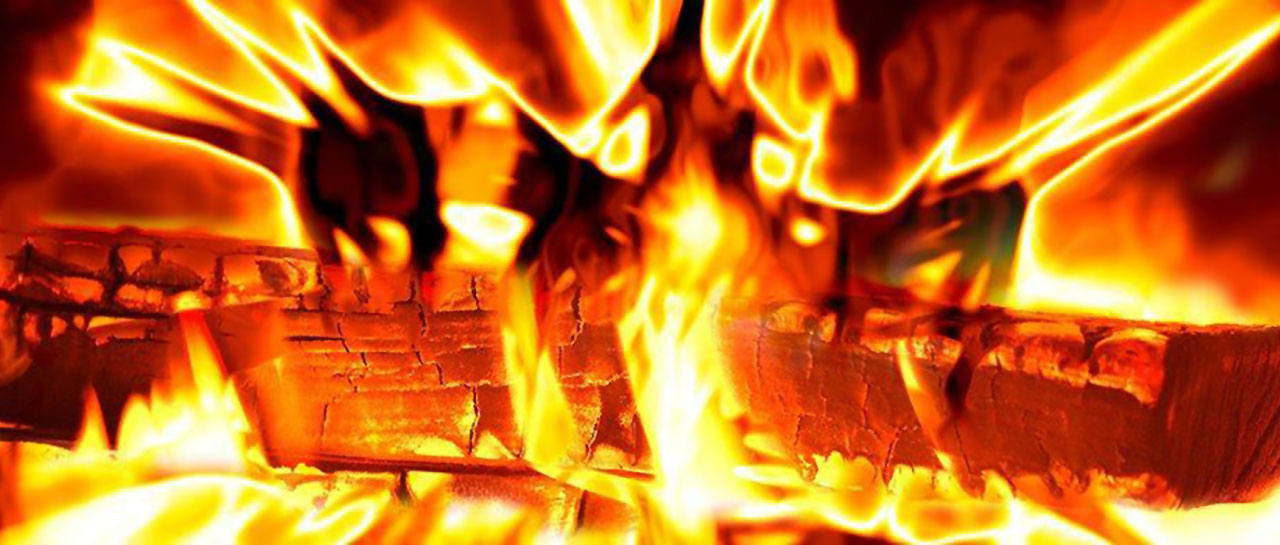
The yule log was cut and brought in to burn for the 12 days as this was a time, out of time, for rest and relaxation.
There were many variations of the Yule log ritual and its purpose the English one being that everyone in the village, (remember in those days a village would consist of a number of huts surrounding a larger main hut occupied by the leaders to the great houses of current landowners), would go into the woods and cut the bough of a large tree, preferably an oak. (In those days people honoured nature and would only take what they needed and preferably not kill anything if they didn’t need to so cutting a bough would encourage new growth rather than cutting down the whole tree. Rather like pollarding is still used today when managing woods.) When cut, the log would be dragged back to the village. It was considered to be bringing good luck into the new year so all would make sure they had a chance to help pull it.
The Yule log was then placed on the hearth of the great open fireplace within the main building. Traditionally the Yule log would be lit with a left-over piece of the previous year’s Yule log thus ensuring the continuity of the good luck from year to year, family to family and generation to generation. The log was supposed to burn for the 12 sacred days that were the time out of time which was also a time of reflection and joy during which no unnecessary work should take place.
At the end of these 12 days on twelfth night itself, which was known as the night of Yule itself, the celebrations for the new year would begin. Offering of thanks and food would be given to the Gods and small gifts would be left for the children for when they awoke. (This is where the Celtic and the Norse myths get mixed up because apparently Red Thor delivered these gifts to good children, dropping them down the chimney as he rode his sled, pulled by his magical goats. If children had been particularly good they may hear the bells on his sled ringing as he went by. He would also give a lump of coal so that next years fires could be started from the Yule Log.) As we can see many myths and legends from differing cultures are beginning to be mixed here. (Obviously the same myth as St. Nicholas and Santa Claus mixed in with the Scottish Hogmanay tradition of first footing.)
The Druids also had different practices at the Solstice. Usually honouring trees by tying different coloured ribbons to them or shinny objects which were believed to protect the property and bring a good harvest. They would plant holly bushes in front of their homes to protect them from any evil spirits that may roam the dark nights and or hang holly berries in the windows. There is even a Christmas Carole incorporating these beliefs – “Deck the halls with boughs of Holly”. All these practices were frowned upon by early Christians and thought to be heathen and evil and yet so many of them nowadays have been incorporated into modern Christmas traditions. Funnily enough one of my homes had a holly tree at the front gate. It was there when I bought the property and it was still there when I sold it.
The tradition of “kissing under the mistletoe” also stems from myth
The Norse God Balder was a very popular God. His mother was Frigga, goddess of love and beauty. As with all mother she loved him very much and wanted to ensure no harm came to him. Therefore she asked everything she met living in the world not to harm her son. However, she thought the mistletoe was so small It must be harmless.
Loki the trickster God of Norse mythology was jealous of this love so sort to find a way around the protection Frigga had woven. Legend has it that he made an arrow from mistletoe wood and playing an even nastier trick took the hand of Balder’s blind brother Hodur and pointed the arrow at Balder and shot him in the heart, where he fell dead. One legend says Frigga’s tears became the mistletoe’s white berries. Another version of the story has a happy ending, (not that I could find a version of this within Norse mythology on the internet) Balder is restored to life, and Frigga is so grateful that she reverses the suffocating reputation of the plant to make it a symbol of love by promising to kiss upon anyone who passes beneath it. Thus this “kiss under the mistletoe” is a kiss from the Mother Goddess herself. Personally I like this one
These are just a few of the myths and legends which revolve around Yule Tide and the winter solstice and it becomes very obvious how they have been incorporated into many of the modern traditions of Christmas.