

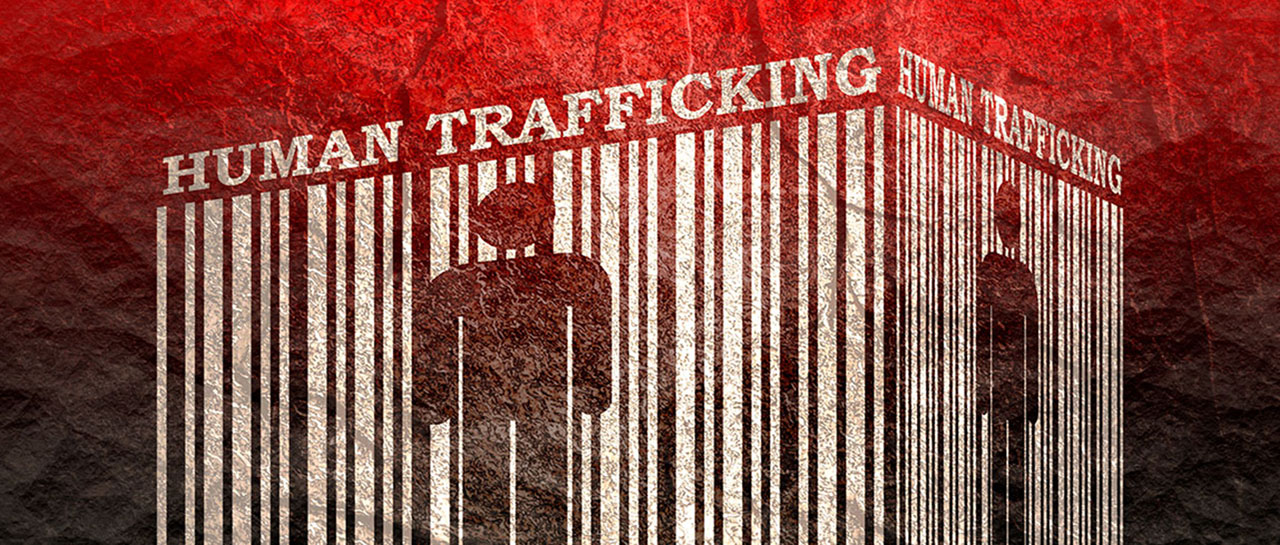
Millions of people are victims of human trafficking each year, a third of them children and over two thirds of them are women and young girls. On the World Day against Human Trafficking, the UN aims to create awareness about human trafficking and worldwide efforts to defeat this offence to human dignity.
Despite sustained measures taken at the international, regional, and national levels, people trafficking is still a huge challenge facing the whole international community and needs a more concerted international response.
According to the 2016 UN report, women and girls tend to be trafficked for marriages and sexual slavery, while men and boys are typically exploited for forced labour in the mining sector, as porters, and as soldiers. It also states that refugees from war and persecution are particularly vulnerable to becoming victims of human trafficking.
In 2013, the UN member states adopted a resolution which designated July 30 as the World Day against Human Trafficking. They declared such a day was necessary to “raise awareness of the situation of victims of human trafficking and for the promotion and protection of their rights.”
Global Plan of Action
The Global Plan of Action to Combat Trafficking in Persons was adopted in 2010 and urges governments worldwide to take coordinated and consistent measures to defeat human trafficking in all its forms. The UN plan calls for integrating the fight against human trafficking into the UN’s broader programs to boost development and strengthen security worldwide.