

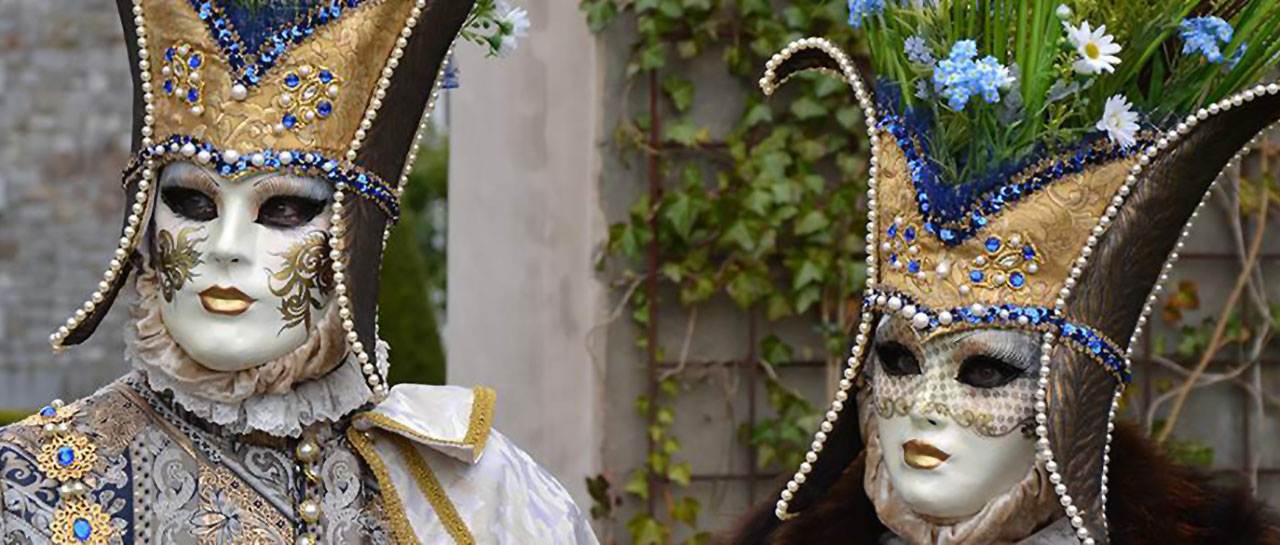
Purim celebrates the deliverance of the Jewish people from the wicked Haman in the days of Queen Esther of Persia. It begins at sundown 25th February until sundown 26th February and changes annually according to the Jewish lunar calendar. It is also known as the FEAST OF LOTS and marks the salvation of the Jews, through the intervention of Queen Esther, from the Persian Haman’s plot to eradicate them, It is traditional to have a feast and dress up in costumes and masks.
Why dress up and wear masks?
There are several reasons given for the age-old custom to dress up in costumes on Purim. Here are some of them: and I would like to thank Dovid Zaklikowski, of Jewish Practice @ Chabad.org for this article. In contrast to the overt miracles of the holidays of Passover, Chanukah and other Jewish holidays, the miracle of the holiday of Purim was disguised in natural events. Their story in brief: The king wanted his wife to come to a party; she did not want to, she was killed. An evil man plotted to kill all the Jews with the approval of the king. The king remarried, and his new wife happened to be Jewish. She told her husband and arranged for the decree to be countered. Only after the fact, when one looks at the entire story, does one realize the great miracle that transpired.
The custom of wearing costumes on Purim is an allusion to the nature of the Purim miracle, where the details of the story are really miracles hidden within natural events. The Talmud writes that just as the Jews at the time pretended to be serving other gods, G-d pretended. He was going to destroy the Jewish nation, but He did not. Rabbi Tzvi Elimelech Shapiro (1783–1841), known as the Bnei Yissaschar, writes that this is the reason we pretend to be someone else on Purim, since both the Jews’ and G d’s actions were masked by other intentions.
We dress differently on Purim to minimize the embarrassment of the poor who go around collecting charity on this day—a day when we give charity to everyone who outstretches their hand. To commemorate the dressing up of Mordechai in King Ahasuerus’s royal garments in the story of Purim. For more, see Masquerade! and our additional articles on Dressing Up on Purim. Dovid Zaklikowski, Jewish Practice @ Chabad.org