

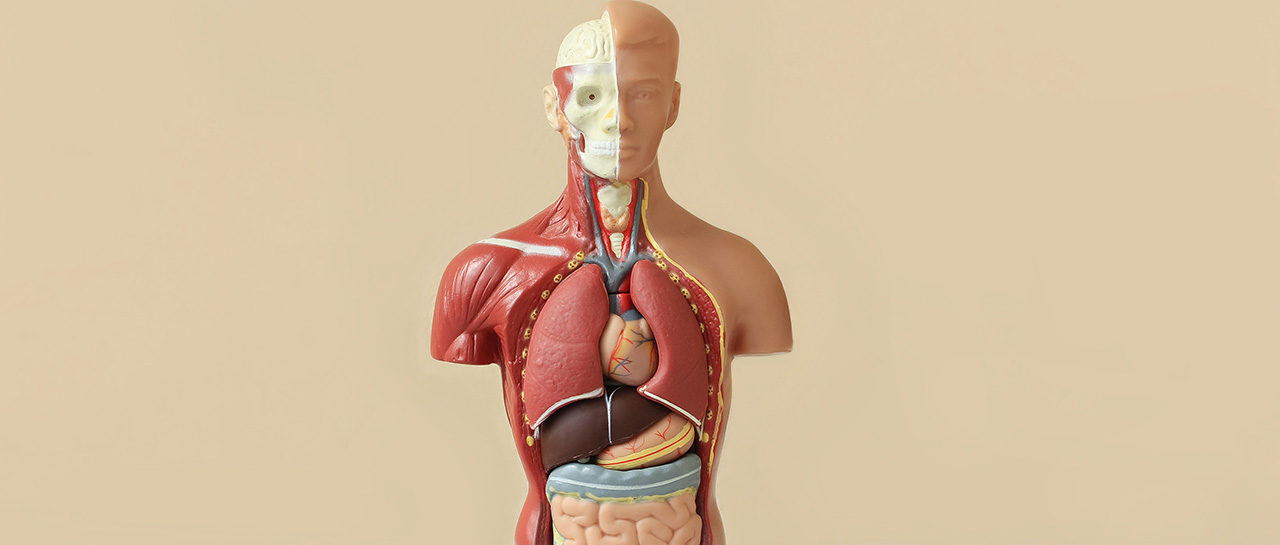
To comply with EC Standards for registry as a complimentary therapist in any modality including Energy Healing and Reiki, it is now necessary for practitioners to have an understanding of basic human anatomy and physiology. Depending upon what you are studying depends upon the depth in which the subject needs to be covered. As far as Reiki is concerned this means:
Basic knowledge of the skeletal structure and the functions and locations of the major organs.
Basic knowledge of physical conditions in sufficient detail to identify the appropriate use of healing energy (Reiki) and communicate effectively with the client and/or other stakeholder.
In short you will need to know enough about general illnesses to be able to know when you need to encourage the client to seek proper medical attention, as well as being able to communicate with others.
You will also need to know what you are treating, why you are treating it and how because you will need to create a treatment plan.
Of course, because Reiki Healing is about being holistic and treating the whole person and bringing the whole emotional, mental and spiritual bodies as well the physical into balance we also need to undertand these effects on the physical body as well. Emotional and spiritual connections are made in the bodies energy system Aura and Chakras which you will probably have covered by now.
If you did human biology at school then you probably already know what you need but it is how you evidence your knowledge and learning that you also need to consider.
What this course covers
ANATOMY AND PHYSIOLOGY
8 Basic Systems
7 basic organs
5 major glands
SKELETAL STRUCTURE
The three main functions of the skeleton
5 types of bone
The Spine
Joints
Types of joints
Conditions of the Skeletal Structure
THE BRAIN 89
Cerebrum
Cerebellum
Medulla oblongata
Pons Varoli
Common Conditions of the Brain
EUROLOGICAL/NERVOUS SYSTEM
Motor nerves
Sensory nerves
Mixed nerves
Common Conditions of the Nervous System
MUSCULAR STRUCTURE
Main muscles of the body
Common conditions of the muscular system
THE VASCULAR STRUCTURE AND LYMPHATIC SYSTEM
Blood
The Heart
Common conditions of blood circulation
Lymph
The Spleen
Common conditions of the lymphatic system
THE DIGESTIVE SYSTEM
Digestive System Function
The Stomach
The Liver
Pancreas
The Gall Bladder
Small Intestine
Large Intestine
Common Disorders of the Digestive System
RESPIRATORY STRUCTURE
Parts of the respiratory system
How the Lungs and Respiratory System Work
Common Disorders of the Respiratory System
ENDOCRINE SYSTEM
Function of the Endocrine System
Diseases of the endocrine system
URINARY SYSTEM
The Kidneys
The Bladder
The Urethra
REPRODUCTIVE SYSTEM
The Female Reproductive System
The Vagina
The Uterus
The Fallopian Tubes
The Ovaries
The Vaginal Vestibule
The Labia
The Clitoris
Mons Pubis
The Urethral Meatus
The Male Reproductive System
The Penis
The Scrotum
The Testes
The Epididymis
The Vas Deferens
The Seminal Vesicles
The Prostate
Ejaculatory Ducts
The Urethra
The Hormones
The Meridian System
For distance learning or for the dates of the next course please contact joylina@joylina